How to Check RERA Details Before Buying a Flat in India
Check RERA details before buying a flat in India. Learn how to verify project registration, builder information, approvals and timelines with Investormart.
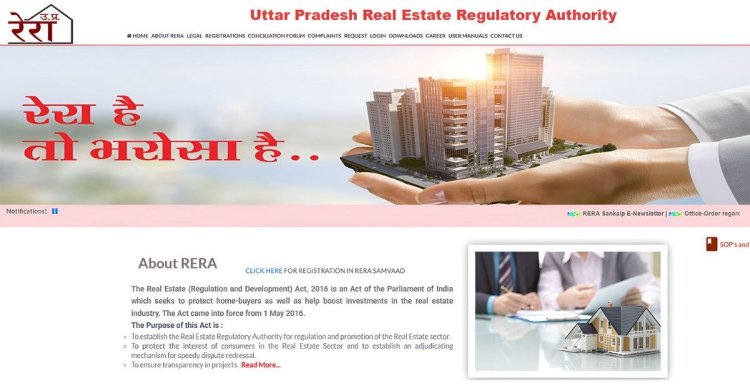
There are more considerations than just the location, floor plan, amenities, and budget when buying a flat. It's also a legal and financial obligation that can have a long-term impact on your savings for years. Buyers should check the status of the project before paying a booking fee or signing an agreement as well as checking the information from the developer. To find out whether the real estate project is registered and what details have been published officially in relation to it, one of the most simple ways is to get to know from the RERA details.
The real estate (regulation and development) Act, 2016 (RERA) has been established to bring about transparency and accountability in the real estate industry of India. The RERA authorities of the respective state maintain records of the projects that are accessible to the buyers online.
Here are some ways to leverage these portals prior to making a property decision.
What Is RERA and Why Should Homebuyers Check It?
The primary aim of the introduction of RERA is to provide greater transparency in the developer–home buyer relationship. As per the framework, the eligible real estate projects and agents have to register with the relevant State or Union territory authority.
The RERA portal can offer helpful information to buyers, such as details on whether the project has been registered, the developer's information, the expected completion date, information on approved plans, and more.
This allows the RERA portal to serve as a valuable tool for verifying information rather than solely depending on advertisements, sales personnel and brochures or verbal assurances.

How to Check RERA Details Online
1. Identify the Relevant State RERA Authority
RERA is enforced by the State and Union Territory regulatory bodies. Thus, the first thing to do is to find out who is responsible for the site of the property.
For instance, Maharashtra's buyers can refer to MahaRERA, and Karnataka buyers can use KRERA. TNRERA is present in Tamil Nadu.
Look for the official RERA website of the state where the project is present. Care needs to be taken in choosing a website as there are a number of private property websites that offer similar information. In case of verification, always use the official government-authorised portal.
2. Go to the Project Search Section
After accessing the official website, search for "Registered Projects", "Project Search" or "Search Project".
The name and the structure of the section may differ from state to state, but the idea is usually the same: to provide users access to information submitted by registered developers.
There will be other information regarding registration, complaints, orders, and more real estate information that may be found in separate sections.
3. Search Using the Project or Builder Name
Most RERA portals offer searches both with the following details:
-
Project name
-
Name of the promoter and/or developer.Name of the promoter/developer.
-
RERA registration number
-
Location or district
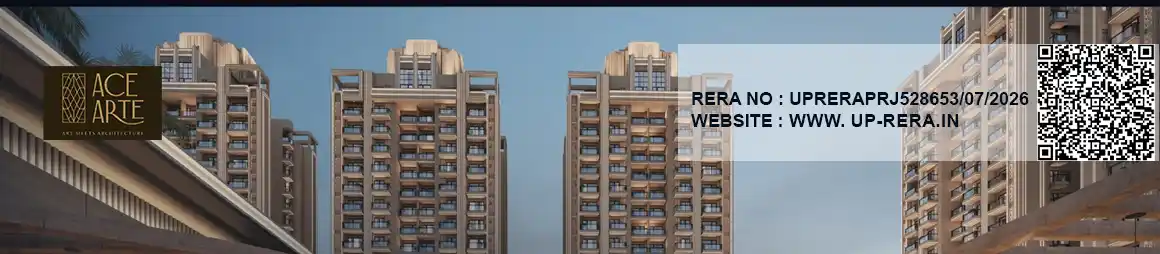
If the builder has registered a RERA number in the brochure or documents being sold, it could be easier to search directly using the RERA number.
You can search by the name of the project if it is not there, it might be searching by the developer's registered name. Marketing material may include project names that are different from the names submitted to the authority.
4. Match the RERA Record With the Property Details
Once you've found a project on the portal, you need to find the right person to sign up and start the work. Make sure you compare the data that's provided on the official record to what the developer has told you.
Read the specifics like project's registered name, promoter details, location, available number of units, development area, and proposed completion date.
Take special note of the approved plans and specifications of the project. If any facilities, configurations or features of a project are not consistent with the information in the brochure, contact the project developer to find out.
This is also where the RERA registration check is beneficial. Instead of a registration number being accepted as an indicator, you can go the extra mile and check if the registration number is valid to the project you are interested in.
5. Check the Registration and Completion Details
It is worth noting that the RERA records can provide you with a view on the project's regulatory status and the anticipated timeline.
See if the registration is still current and verify the official records for the registration completion date. If the project has been extended and/or is subject to regulatory updates, check for the most recent information on the portal.
The buyers should keep in mind that a registered project does not mean that the entire buying process will be free of risks. RERA registration is just one component of property due diligence.
6. Review Land and Approval Information
You may be able to view documents and information regarding land, approvals, sanctioned plans and development, depending on the state portal and information posted for the project.
These records can contribute to gaining an understanding of the legal and planning context of the project.
But, documents for the property can be complicated. When you're investing in a large transaction or there are discrepancies in the paperwork, have the paper reviewed by an independent property attorney instead of just trusting the developer's explanation.
This verification is important, and why buyers should not do without it.
When people are buying property, they tend to have a lot at stake and they might feel rushed to book a unit due to a limited period offer, or if prices are changing. But haste in the legal process can lead to a lot of trouble later on. .

Why Buyers Should Not Skip This Verification
When people are buying property, they tend to have a lot at stake and they might feel rushed to book a unit due to a limited period offer, or if prices are changing. But haste in the legal process can lead to a lot of trouble later on.
The RERA record check may be helpful to you if you want to:
-
Verify whether the project is registered
-
Cross-check information provided by the developer
-
Understand the stated project timeline
-
Review publicly available project disclosures
-
Identify discrepancies that require clarification
-
Learn about the regulatory authority overseeing the project
It typically takes just a couple of minutes and is a convenient action prior to a booking.

Other Checks to Complete Before Buying
The RERA verification should be part of an overall due-diligence procedure. It is also important to inspect the title documents of the property, the approved building plans, relevant approvals, agreement for sale, payment plan and maintenance plan as well as other documentation.
It is also important to know exactly what the quoted price of the property means. Don't hesitate to inquire about other fees, taxes, registration costs, maintenance fees, parking fees, and other related expenses.
If there is any document or project detail which is unclear ask questions. A good developer can give you the information you need, and break down the terms of your transaction.
Also Read:
What About RERA-Approved Projects?
BIn reality, people tend to use the term “RERA Approved Projects”, but it would be more accurate to think of it as projects registered with the relevant RERA. Registration is a documentary and regulatory mechanism but it does not take the place of the buyer's own due diligence.
That is why it is important to check the RERA information with the developer's paperwork and the conditions agreed on in the contract before you put your money into it.
Final Words
It is also an exciting stage to go through when buying a flat, but it is important to ensure that the legal and financial checks and balances are as important as location and amenities. Checking the RERA record of a project could provide buyers with valuable official data and enable them to make informed decisions, not just relying on marketing material.
Please check the registration information on the state RERA website before depositing the booking fees, search the project, compare the information provided with the developer's documents and consult professional advice as needed.
The extra time that you invest in researching before you buy a property can make the process more informed, and make you feel more ready and confident about buying from RERA-approved projects.